RECOVER: Researching COVID to Enhance Recovery
Long COVID is real. Millions of people who had COVID-19 still have symptoms lasting months or years.
We created RECOVER to understand, diagnose, prevent, and treat Long COVID and help people who are suffering.
Learn about Long COVID
The RECOVER Initiative
Millions of Americans suffer from Long COVID. This disease affects each person differently, so no single research study can provide all the answers to Long COVID for everyone. The National Institutes of Health (NIH) created the RECOVER Initiative to find answers across many different types of research studies.
RECOVER brings together clinicians, scientists, caregivers, patients, and community members to understand, diagnose, prevent, and treat Long COVID. We’ve created the world’s most comprehensive and diverse group of Long COVID study participants.
We’re learning about Long COVID and testing different treatments. We’re sharing our research, quickly learning from it, adapting, and constantly refocusing our efforts to ease suffering for millions of people.
Together, we are working to understand, diagnose, prevent, and treat Long COVID.
Explore RECOVER’s progress and find out how to get involved:
RECOVER Research
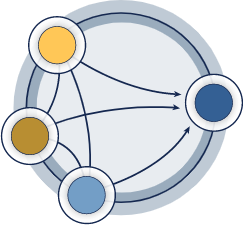
Each RECOVER research team can use all RECOVER findings, data, and biosamples (small amounts of blood, saliva, and tissue, also known as biospecimens) to inform and improve their study. This way, we can learn more quickly about this complex condition and better understand, diagnose, prevent, and treat Long COVID.
Researchers study drugs, medical devices, or other approaches that may help relieve Long COVID symptoms.
Researchers study the health and symptoms of thousands of participants over several years. No treatments or medicines are provided.
Researchers study people who have died after having COVID, including people who did not have Long COVID.
Researchers use RECOVER data and biosamples (biospecimens) to answer new and important questions about Long COVID.
Researchers study biosamples (biospecimens) from people with and without Long COVID to understand how COVID affects different body systems.
Researchers study millions of digital medical records, called EHRs, to understand changes over time, learn who may have Long COVID, and learn how to treat or prevent it.
RECOVER Research
Each RECOVER research team can use all RECOVER findings, data, and biosamples (small amounts of blood, saliva, and tissue, also known as biospecimens) to inform and improve their study. This way, we can learn more quickly about this complex condition and better understand, diagnose, prevent, and treat Long COVID.
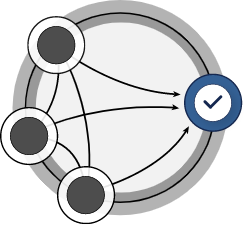
Researchers study drugs, medical devices, or other approaches that may help relieve Long COVID symptoms.
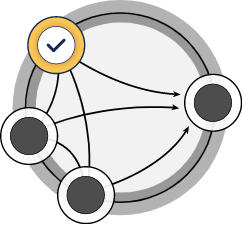
Researchers study the health and symptoms of thousands of participants over several years. No treatments or medicines are provided.
Researchers study people who have died after having COVID, including people who did not have Long COVID.
Researchers use RECOVER data and biosamples (biospecimens) to answer new and important questions about Long COVID.
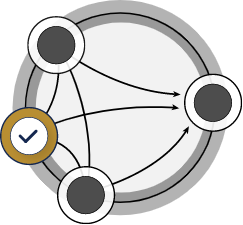
Researchers study biosamples (biospecimens) from people with and without Long COVID to understand how COVID affects different body systems.
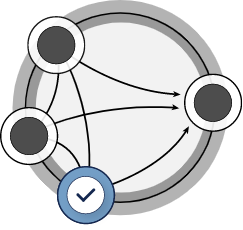
Researchers study millions of digital medical records, called EHRs, to understand changes over time, learn who may have Long COVID, and learn how to treat or prevent it.
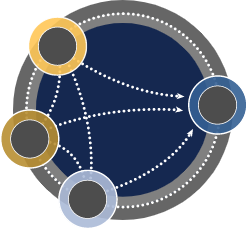
RECOVER shares the data between the different types of research to understand, diagnose, prevent, and treat Long COVID.
RECOVER Enrollment
Clinical Trials
Stay tuned for upcoming clinical trials.
Observational Cohort Studies
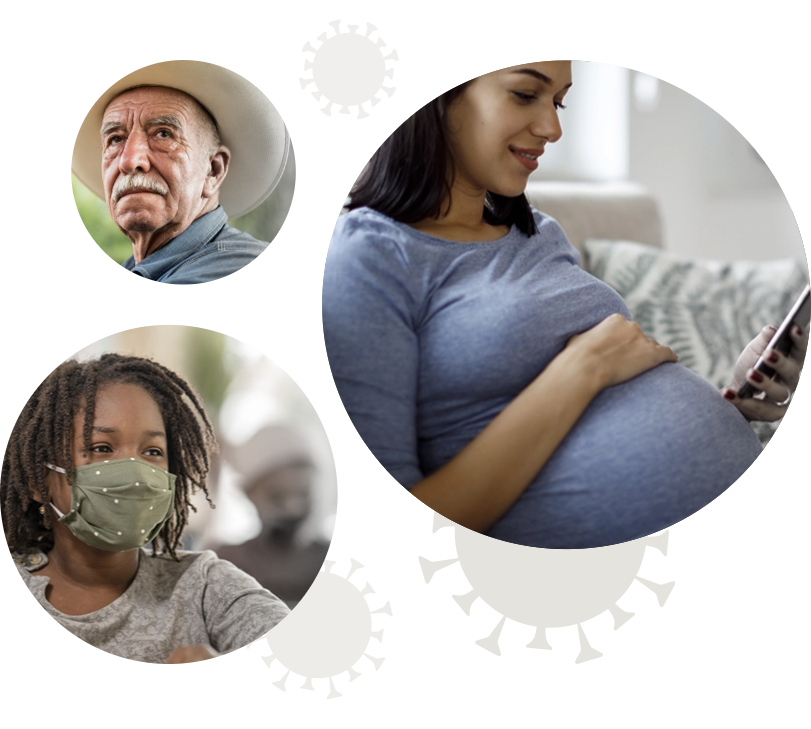
Adult Cohort
Pediatric Cohort
Pregnancy Cohort
How Can I Participate?
Participate in a study
RECOVER-Treating Long COVID (RECOVER-TLC) is led by the Foundation for the National Institutes of Health (FNIH) and the National Institute of Allergy and Infectious Diseases (NIAID). RECOVER-TLC will test the safety and effectiveness of treatments for symptoms of Long COVID. RECOVER-TLC trials will be enrolling soon. You can learn more about the status of trials in planning on the FNIH website.
Share ideas for Long COVID treatment
RECOVER-TLC is planning the next phase of RECOVER clinical trials. As part of this process they are accepting submissions of treatment ideas to consider for future RECOVER-TLC trials. Patients, caregivers, healthcare providers, researchers, and others can participate in this planning by sharing ideas for potential Long COVID treatments.
Explore COVID-19 Resources